Spring Foundation Installation Services by Local Contractors
Kickstart your spring project planning by connecting with local contractors who specialize in reliable concrete foundation installation to ensure lasting property stability.
Spring is often regarded as an ideal season to consider concrete foundation installation due to the milder weather conditions. During spring, temperatures tend to be more moderate, which helps ensure that concrete pours and curing processes proceed smoothly without the complications that extreme cold or heat can introduce. Additionally, the soil tends to be thawed and more stable after winter, making it easier for contractors to prepare the site and establish a solid base. This seasonal window allows property owners to plan for upcoming construction or renovation projects, ensuring that foundational work is completed early enough to support other building phases as the warmer months approach.
Typically, concrete foundation installation services offered by local contractors encompass a range of essential tasks. These include site preparation, such as clearing and leveling the land, excavation to create the appropriate depth, and the placement of forms to shape the foundation. The process also involves pouring and finishing the concrete, which may include reinforcement with steel rebar or wire mesh for added strength. Once the concrete has cured properly, the work may extend to backfilling, grading, and ensuring proper drainage around the foundation. Property owners can work with local service providers to tailor these services to the specific requirements of their property, whether it's for a new construction, an addition, or foundation repairs.
When comparing local options for concrete foundation installation, property owners should consider several factors to find the best fit for their project. It is helpful to review the experience and reputation of nearby contractors, paying attention to their familiarity with local soil conditions and building codes. Consulting with multiple service providers allows for an understanding of the scope of services offered and the methods they use, which can influence the quality and durability of the foundation. Additionally, seeking recommendations or reading reviews can provide insights into previous projects and customer satisfaction. By evaluating the credentials, expertise, and communication style of local contractors, property owners can make informed decisions to select professionals capable of delivering reliable foundation work suited to the area's specific needs.
Compare local contractors' expertise and priorities to find the best fit for your spring foundation project.
- Foundation Preparation - Proper site assessment and soil preparation are essential for stable concrete foundation installation.
- Material Selection - Choosing the right concrete mix and reinforcement options ensures durability and longevity.
- Installation Process - Experienced contractors follow best practices for form setting, pouring, and curing to achieve quality results.
- Post-Installation Inspection - A thorough review helps identify potential issues and confirms the foundation meets structural standards.
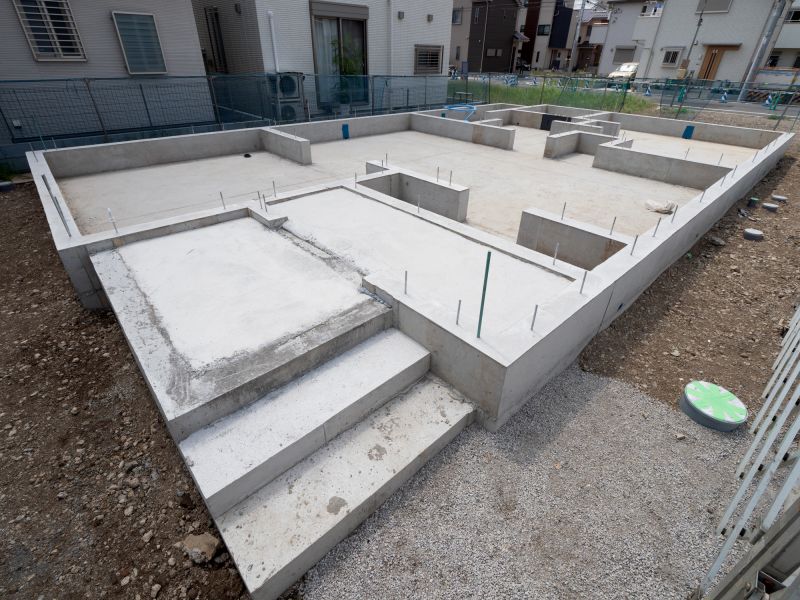
Before choosing local contractors for concrete foundation installation, clearly describe your project and compare available options.
- Check soil conditions to ensure proper compaction and stability for the foundation. - Local contractors can assess soil type and recommend suitable preparation methods.
- Verify that the foundation layout is accurately marked according to the building plans. - Experienced service providers can ensure proper alignment and measurements before pouring.
- Inspect the formwork for stability, alignment, and proper dimensions to contain the concrete. - Skilled contractors can set up forms that meet structural requirements and prevent leaks.
- Ensure reinforcement materials, such as rebar or mesh, are correctly placed and securely tied. - Trusted local pros can verify reinforcement positioning for strength and durability.
- Confirm that the site is prepared to allow for proper drainage and moisture control during and after installation. - Local service providers can implement measures to prevent water-related issues affecting the foundation.
- Review weather conditions to avoid pouring concrete during rain or extreme temperature fluctuations. - Experienced contractors can advise on optimal conditions for concrete curing and quality.
Spring is a great time to explore concrete foundation options with trusted local contractors.
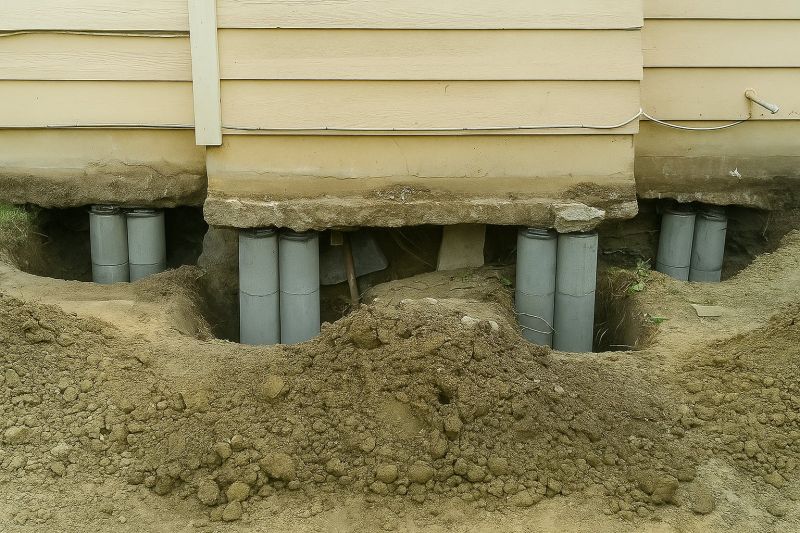
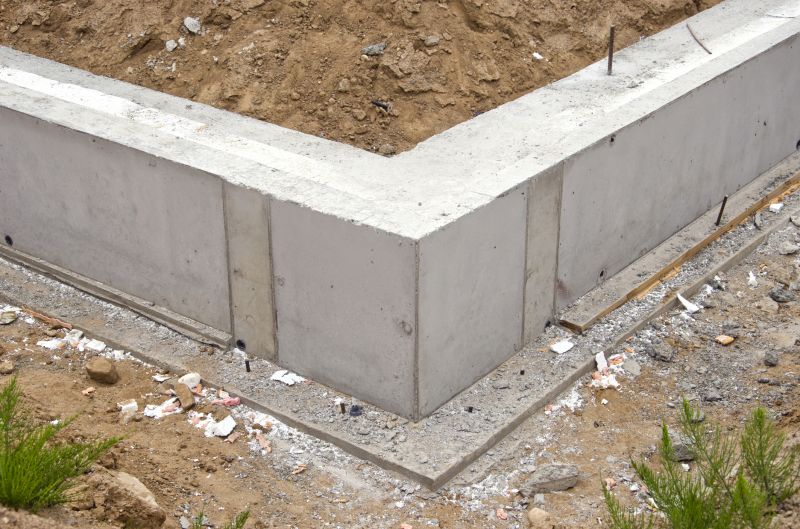
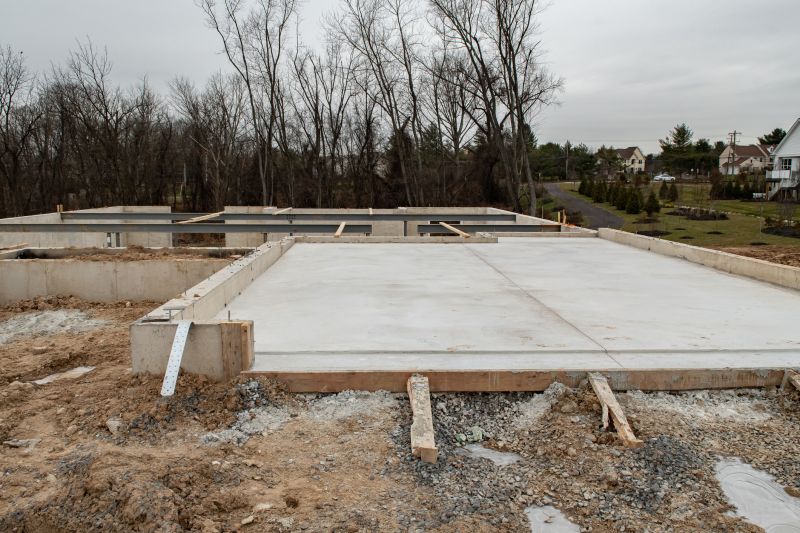
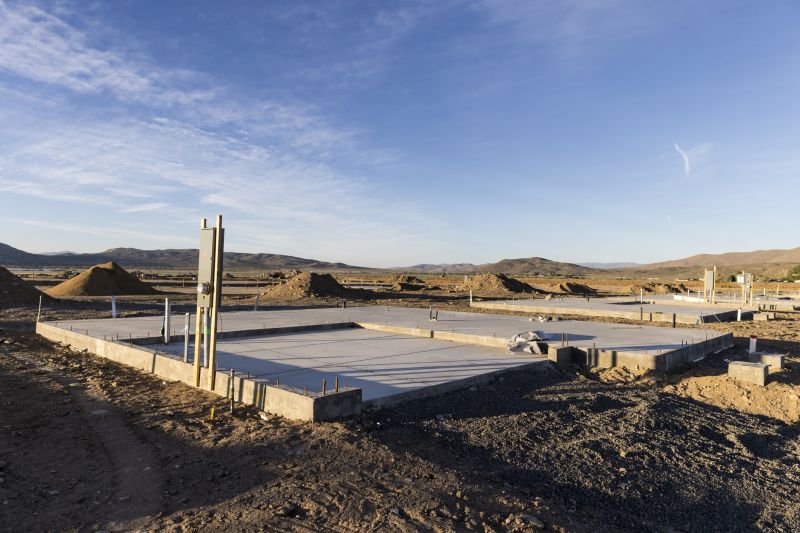
Prioritize your project needs and compare local contractors to find the best fit for your spring foundation installation.
- Excavation and Site Preparation - Spring is an ideal time for local contractors to prepare the site by clearing debris and leveling the ground for foundation work.
- Soil Testing and Assessment - Early-season assessments help ensure the soil is suitable for concrete installation, reducing potential issues later.
- Formwork Installation - Setting up forms in spring allows for efficient pouring and curing of concrete as temperatures rise.
- Drainage Planning - Spring projects often include evaluating and installing proper drainage systems to prevent water accumulation around the foundation.
- Foundation Pouring - Local service providers can handle the pouring process, ensuring a stable base for future construction or landscaping projects.
Compare different service providers' scope of concrete foundation installation to ensure consistent standards across options.
- Site Assessment - Define the specific requirements and conditions of the site to ensure proper foundation planning.
- Design Specifications - Establish the structural design, including dimensions, reinforcement, and concrete mix type.
- Material Selection - Identify the appropriate concrete and reinforcement materials suitable for the foundation’s load and environment.
- Preparation Procedures - Outline the necessary site preparation steps, such as excavation, grading, and formwork setup.
- Quality Control Measures - Determine inspection points and standards to verify proper installation and adherence to project specifications.
When comparing service providers for concrete foundation installation during the spring season, it’s important to consider their experience with similar projects. Homeowners should inquire about the types of foundations they have installed in the past, especially those suited to the specific soil and climate conditions of the site. Contractors with a history of handling projects comparable in size and scope can offer insights into potential challenges and solutions, helping to ensure a smooth and successful installation process.
Clarity in the scope of work is a key factor when evaluating local contractors. A detailed, written outline of the project’s phases, materials, and responsibilities helps establish clear expectations and reduces the risk of misunderstandings. Homeowners should seek service providers who can clearly communicate what is included in their services, including site preparation, excavation, reinforcement, and finishing. This transparency supports informed decision-making and ensures everyone is aligned on project goals.
Work planning considerations are especially relevant during the spring, when weather conditions can influence construction timelines. Pros who prioritize thorough planning will assess site conditions, forecast potential weather delays, and prepare contingency plans. Homeowners should look for contractors who demonstrate an understanding of seasonal challenges and can coordinate scheduling to optimize work progress, ensuring the project adheres to best practices for quality and safety.
Finally, evaluating options involves examining how well local service providers understand the unique aspects of the project and how effectively they communicate their approach. Homeowners can compare the level of detail in project proposals, the professionalism of communications, and the willingness to answer questions about materials, methods, and timelines. Choosing a contractor with a clear, comprehensive approach helps ensure the foundation installation aligns with the homeowner’s needs and the seasonal considerations of springtime construction.
Request written details from local contractors to ensure clear, consistent scope for your spring foundation project.
- Scope of Work - How do local contractors define the scope of concrete foundation installation projects in spring?
- Material Options - What types of concrete and reinforcement materials do service providers recommend for springtime foundation work?
- Preparation Requirements - What site preparation steps do local pros include when planning a spring foundation installation?
- Experience & Expertise - How do local contractors’ experience levels influence their approach to spring-focused foundation projects?
- Comparison of Services - What key differences should be considered when comparing scope and offerings among local foundation installation providers?
What is involved in installing a concrete foundation? Installing a concrete foundation typically includes site preparation, excavation, forming the area, pouring the concrete, and finishing touches to ensure stability and durability. Local contractors handle these steps to create a solid base for structures.
Why is spring a popular time for foundation installation? Spring offers favorable weather conditions for concrete work, with milder temperatures and less chance of rain, helping ensure proper curing and long-lasting results when installing a foundation.
What factors should be considered before starting a concrete foundation project? Important considerations include soil stability, drainage, local building codes, and the type of structure being supported. Consulting with experienced service providers can help assess these factors effectively.
How do local contractors prepare the site for foundation installation? Preparation involves clearing the area, leveling the ground, excavating to the required depth, and setting forms to shape the foundation before pouring concrete.
What types of concrete foundations are commonly installed? Common options include slab-on-grade, basement, crawl space, and pier foundations. Local service providers can recommend the best type based on the project’s needs.
How can homeowners ensure their foundation is properly installed? Working with experienced local contractors who follow proper procedures, use quality materials, and adhere to best practices helps ensure a reliable and long-lasting foundation.
This page has provided an overview of concrete foundation installation, highlighting the importance of proper planning, preparation, and execution for a durable and reliable result. Visitors now understand the key steps involved and the benefits of working with experienced local contractors who specialize in foundation work. To find the right service provider for the project, using the quote form can help compare options in the area and connect with local pros ready to assist with springtime construction needs.
Spring is an ideal time to start foundation projects, taking advantage of the season’s favorable weather for outdoor work. By utilizing the quote form, visitors can explore local contractor options and gather information to make informed decisions. Connecting with experienced service providers ensures the foundation installation aligns with project goals and local building conditions, making it easier to plan a successful spring project.
Providing clear details about your concrete foundation installation helps local contractors understand your project needs effectively.
- Experience - Share details about the scope and size of the foundation project to help match with suitable local contractors.
- Site Conditions - Describe the current state of the installation area, including soil type and accessibility.
- Project Goals - Outline any specific requirements or preferences for the foundation installation.
- Timeline Preferences - Indicate your preferred timeframe for starting or completing the work to connect with appropriate service providers.